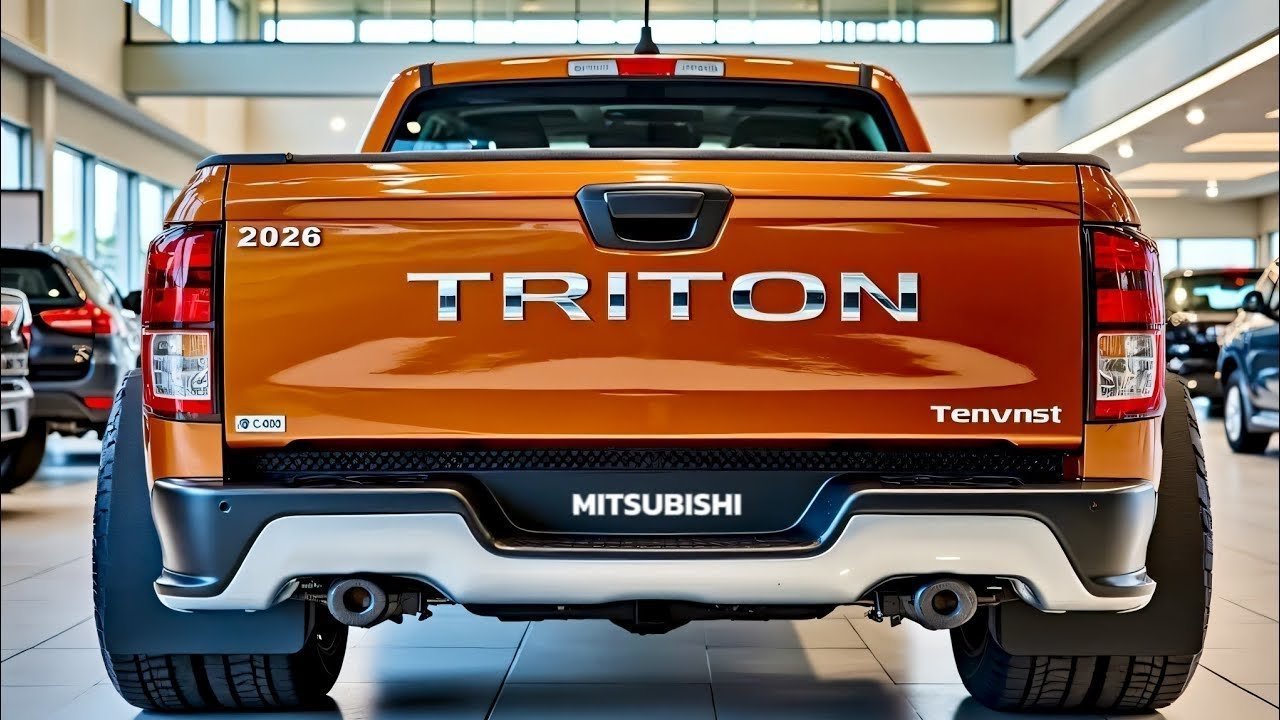
2026 Mitsubishi Triton Pickup: The 2026 Mitsubishi Triton Pickup is expected to arrive as a stronger, smarter, and more practical generation of Mitsubishi’s popular mid-size truck. Known for durability and off-road ability, the Triton has always been a favorite among workers, adventure lovers, and small families. The 2026 model continues that mission with new design improvements, updated technology, and a more comfortable cabin experience. While full official details may vary closer to launch, early expectations indicate that Mitsubishi wants to compete directly with models like the Ford Ranger, Toyota Hilux, and Nissan Navara.
A Tough New Design
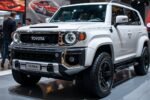
The 2026 Triton is expected to feature a sharp, bold look with a larger front grille, stronger LED lighting, and a wider stance. Mitsubishi appears to be targeting a modern yet rugged personality—something that looks good in the city but still ready for hard work. The body lines are expected to be more muscular, giving the truck a confident road presence. The pickup bed may also receive improvements to help carry heavier loads and make loading easier, thanks to stronger materials and smarter storage solutions.
Engine and Performance Expectations
Mitsubishi is likely to continue offering the Triton with a diesel engine, with possible tuning for better power and improved fuel efficiency. A turbo-diesel 2.4-liter or similar displacement might remain the core option, but rumors suggest Mitsubishi could explore hybrid support or mild-hybrid technology. This would help improve emissions and fuel savings, especially for city-based users.
The 2026 Triton is also expected to come with 4×2 and 4×4 choices, allowing customers to pick based on their needs—work, travel, or long-distance touring. Off-road models may come with upgraded suspension, raised ride height, and terrain traction modes for sand, snow, mud, and rocky ground.

Interior Comfort and Technology
Inside, the 2026 Triton aims to feel more like a modern SUV rather than a basic work truck. The cabin could offer better seating, higher-quality materials, and a cleaner dashboard layout. A large touchscreen with wireless Apple CarPlay and Android Auto is expected, along with digital driver displays and improved connectivity.
Mitsubishi may include more cabin storage, a quieter driving experience, and climate control options that make long trips easier. The goal is to make the Triton comfortable enough for commuting and family use, not just job-site demands.
Safety Features and Driver Assistance
Safety is becoming a key selling point in pickup trucks worldwide, and the 2026 Triton may come with a wide range of driver assistance features. Expected systems include:
-
Automatic Emergency Braking
-
Lane Keeping Assist
-
Blind-Spot Detection
-
Rear Traffic Alert
-
Adaptive Cruise Control
These features can help new drivers feel more confident while also supporting experienced owners in rough or busy environments.
Who the 2026 Triton Is For
The 2026 Mitsubishi Triton Pickup is built for people who need a balance of toughness and everyday comfort. It is suitable for:
-
Farmers, contractors, and business users needing load strength
-
Families who want an adventure-ready vehicle
-
Off-road explorers and weekend travelers
-
City drivers needing a reliable pickup with fuel efficiency
This mix of practical use, value, and capability is what keeps the Triton popular across global markets.
FAQs: 2026 Mitsubishi Triton Pickup
Q1: When will the 2026 Triton be available?
Exact release dates may vary by region, but it is expected to arrive in select markets starting in 2025–2026.
Q2: What engines will be offered?
A turbo-diesel engine is likely, with possible hybrid options depending on the market.
Q3: Will it have 4×4 options?
Yes, 4×4 models are expected for off-road and heavy-duty users, along with standard 4×2 versions.
Q4: Is the 2026 Triton good for family use?
Yes, the upgraded interior, comfort features, and safety systems should make it suitable for family travel.
Q5: How does it compare with the Toyota Hilux or Ford Ranger?
The Triton focuses on value, fuel efficiency, and reliability, offering a strong alternative without feeling overly expensive.